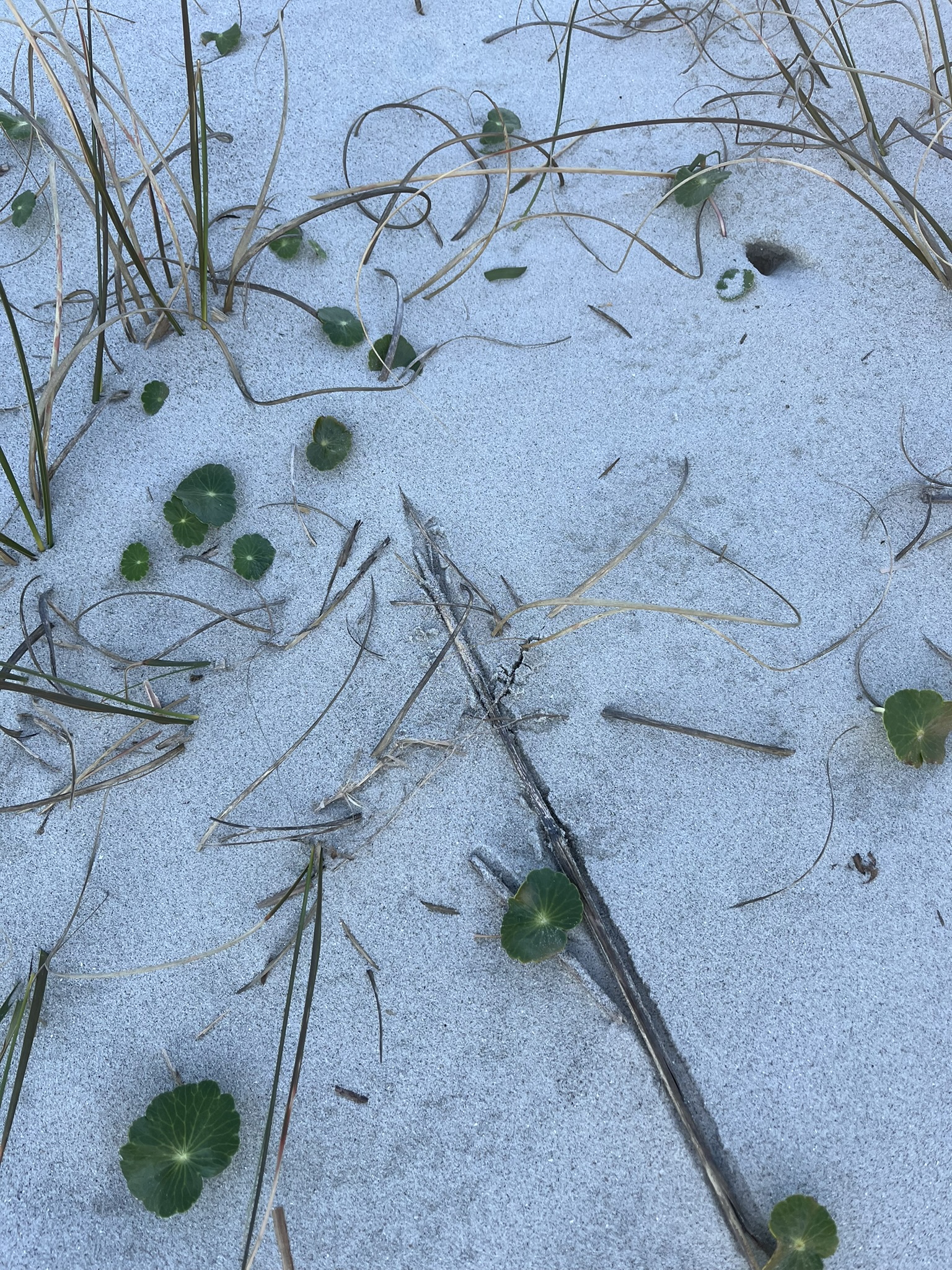
An ecotone is the transition zone between two ecosystems. The forest edge where it meets the meadow. The estuary where the river empties into the sea. These boundaries are unstable, productive, and strange — home to species that exist nowhere else. These species are optimal generalists - they specialize in neither the ocean or the river, their ability to cross the boundaries is what makes them viable.
“Design” in Nature:
As humanity moves further into a cyborg existence, the quality of interfaces and experiences are lagging behind in unsatisfying and maddening ways. The real world provides a depth of unpredictability and variability that is not replicated in synthetic design. The human brain was designed to work within, and enjoy, this highly variable stimulus. The patterns of the natural world repeat, but they do so in more complex ways, like fractals. They also contain error that is capable of producing surprise, chaos, and delight.
Naturalistic Design might be expressed as:
((pattern + variation) * predictable error(error rate)) * nPredictable Error is an important concept to understand as we progress - this is the tendency of any object to fail at replicating itself in a way that is unique to its type. Replications of mammals often have errors, but these errors produce a fairly predictable set of traits and outcomes. For instance, a raccoon might sometimes have an unexpected number of stripes, be albino, or have a genetic syndrome. Replication of a raccoon does not often fail catastrophically(horrific furry blob) or unpredictably(armored racoon). These errors ripple out through future generations, via combinations along any one of the 16,557 base pairs of the raccoon genome.
The Problems of Contemporary Design
At the same time, what IS presented to end users is simultaneously over-stimulating and under-stimulating in painfully unnatural ways. The flood of fast-paced, bright, loud, and obnoxious media overwhelms the user with headache inducing but flat, predictable stimulus. It is replicated perfectly, infinitely.
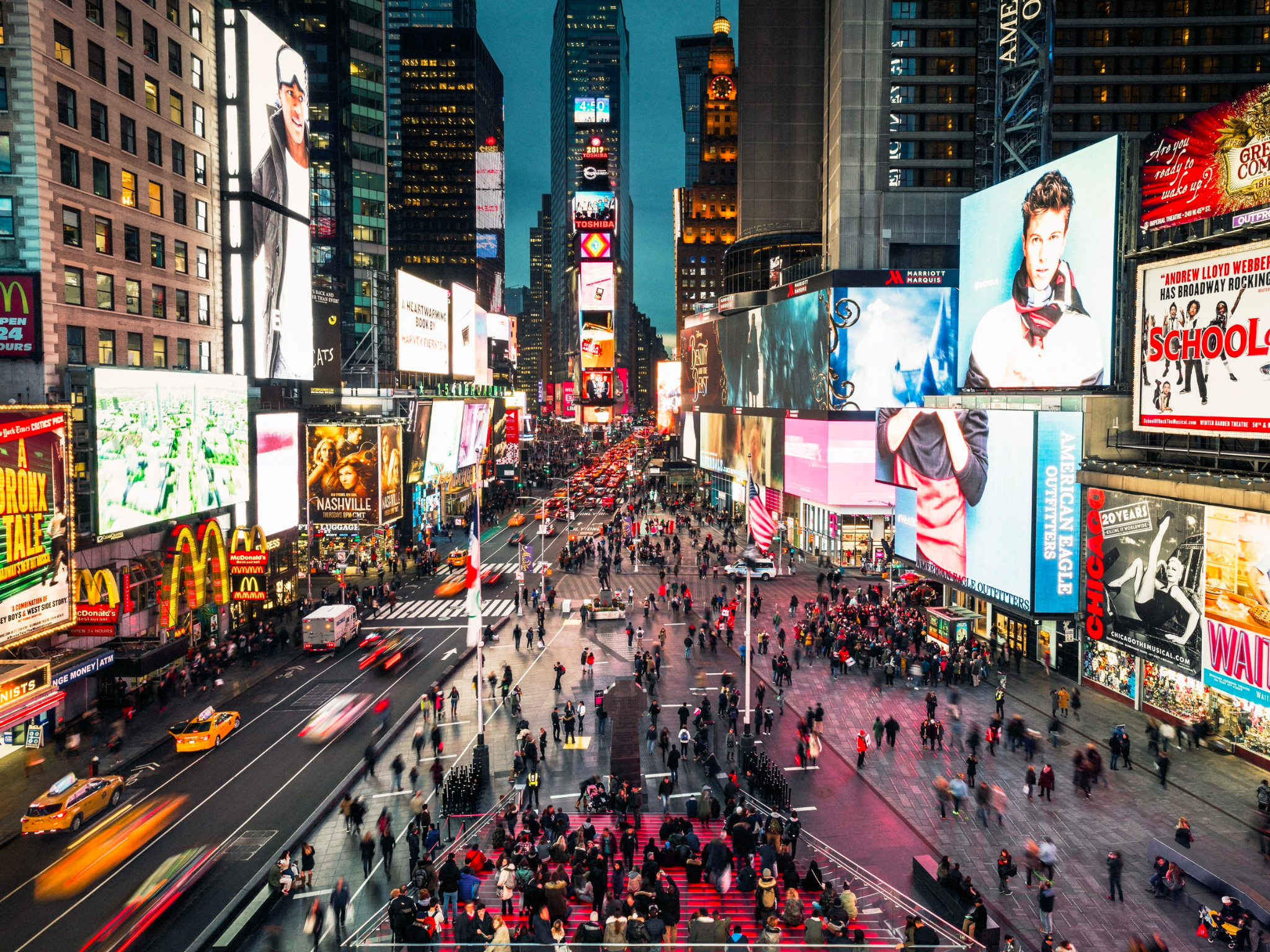
This design is captured as:
pattern * nUsers of technology are presented with a flood of salacious rectangles. They appeal to the most base instincts and senses of the user, reducing them to a monkey with a clicker getting treats. This is stimulating, but only in the shallowest sense. Look closer at any screen and it quickly reduces to pixels, flat squares of color. The human brain is capable of infinitely richer experiences, and still technology lazily fails to probe deeper. Let’s consider some real world examples to illustrate just how far technical design has left to advance before it strikes a glancing blow at actuating the full potential of the human brain.

Example 1: A River Rock (pictured above)
These rocks:
- All completely unique, yet immediately recognizable as a river rock
- Of effectively infinite depth - the closer you look, the more there is to see.
- Multi-sensory
- Part of, and acted upon by their environment.
- Contain predictable error - we expect a pile of them to contain a piece of driftwood.
Example 2: An Internal Combustion Engine
- Built roughly identically, but errors in manufacturing combine with wear and tear to produce predictable error.
- Multi-sensory - conditions can be observed with all senses.
- Fails in diverse but predictable ways
- Not prone to catastrophic failure
Example 3: A Dog
- Acts on its environment with sentience and self-determination.
- Highly varied, within the constraints of patterns and errors.
- Multi-sensory - can be observed with all senses.
- Fails in diverse but predictable ways
- Not prone to catastrophic failure
- Infinite depth
Objects on screens will never be “real”. But they could imitate more of the attributes of life that give humans joy. Instead of aggressively pursuing consistency in the most literal sense, it’s time for design to begin pursuing predictable error and variation. The squares and rectangles that dominate our lives could become varied, textured, and adaptive to their environment.
This desire to push the boundaries of predictable error and break the cycle of boredom is what motivates Ecotone Labs. Our aim is explore these concepts in sound design and workflow. This does NOT mean aleatoric, generative, geometric, or other mathematical concepts applied in isolation - it means applying them in more organic and constrained ways than you’re accustomed to seeing. We eagerly anticipate your withering criticisms feedback about these ideas as we go!
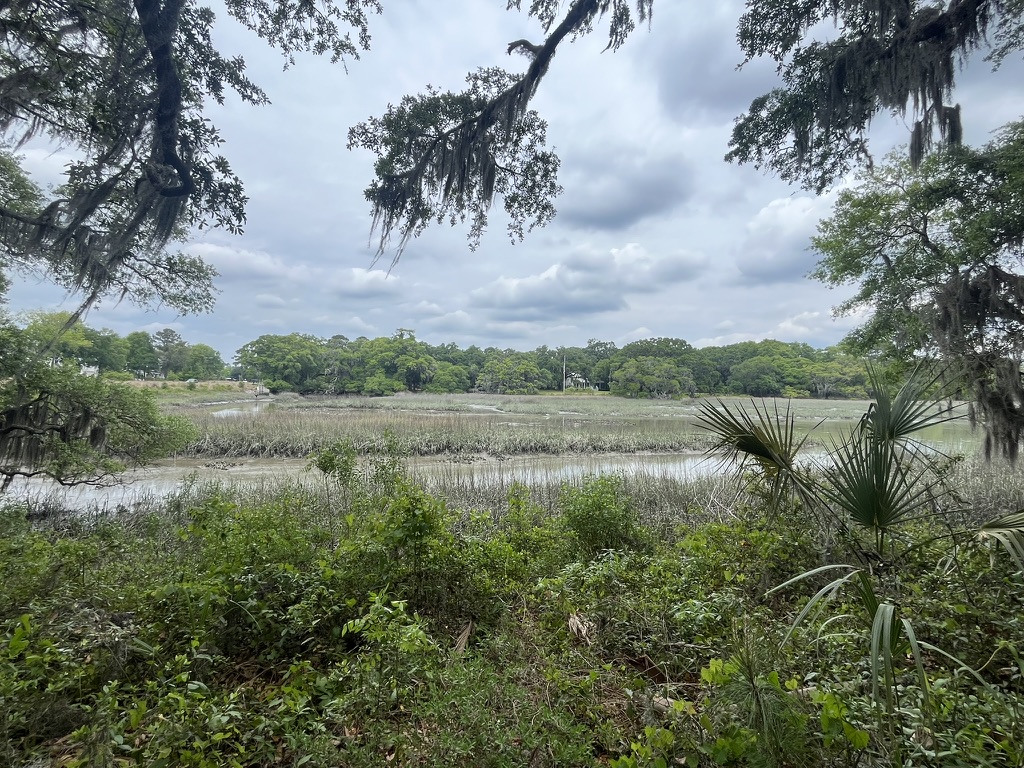 Pictured: The strand-feeding grounds of Tamanend’s bottlenose dolphin (Tursiops erebennus), a recently discovered, genetically distinct variant of the common bottlenose dolphin(Tursiops truncatus.)